

UPDATE: As of 1:27 PM EST, the NBA has released this statement rejecting the ESPN article that this piece quoted. While this is good news, it feels like the argument made in this piece is still relevant, so we are keeping it up.
In 2019, the New York Times published a piece titled "CIA finds no link between itself and crack trade" after reporter David Webb finished an investigation into the CIA's connection with the Contras in Nicaragua. A few years later, an internal memo would surface that gave Webb the proverbial smoking gun.
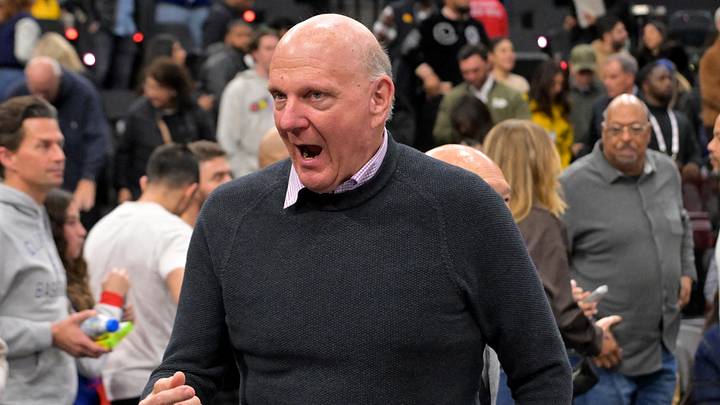
Well, the NBA just did its own equivalent by publishing its findings in the Kawhi Leonard Aspiration case. Despite the massive amount of evidence exposed first by Pablo Torre, the league has claimed that they "found no evidence Steve Ballmer funneled money through team sponsors to pay Kawhi Leonard in order to circumvent the salary cap."
At the center of this scandal is a distinction that the NBA hid in its publication. The NBA ruled that the Clippers organization introducing players to sponsors did not constitute a breach of the cap rules.
This is a dreadful precedent to set. While it was always understood that endorsements in big markets would be more available and more lucrative, there was always an element of fairness in the fact that every team had to operate under similar financial restrictions.
Even the Los Angeles Clippers' near-impossibly massive coffers, offered by the sixth-richest man on the planet, would be constrained by the actual cap table everyone could see, and every team could emulate if their owners would spend willingly.
Now, however, between Jalen Brunson's pay cut, the sales of the Los Angeles Lakers in back-to-back years, and the acceptance of extra-curricular salary funneling, the league is losing that fairness.
Indiana, like most teams, is seeing their title window close forever
That's where the Indiana Pacers are victims, as are 75% of the league's teams. No one can spend like the Clippers, but now the big teams like the Lakers, Clippers, and Knicks can use endorsements to bring in talent at a contractual discount.
This is what many fans have claimed ruined baseball. While the MLB and the LA Dodgers have their delayed money, the NBA has now opened Pandora's box of no-show endorsement opportunities which the organization can broker as a way to inflate their offer to a player.
The Pacers have never gone into the luxury tax. Even if the Simon family were willing to pay to retain Myles Turner after a Finals run, the truth remains that they have spent as little as possible and simply cannot keep up with owners who can offer megadeals so casually.
They have only the ubiquity of limitations to rely on. The Pacers have been a good team almost every year since the 90s. While they have had their pitfall years and have failed to win a title, they have fielded suitable talent to make the playoffs 11 times since 2010-11.
If this is not a one-off event, and there's no logic to suggest that after the Clippers have got away scot-free, then the Pacers have just seen their title windows slam shut not just for the short term, but until they can offer equally illegal deals as their big market competition can.
It's a sad day for basketball, and fans deserve better than what the NBA will do for them.
 Add us as a preferred source on Google